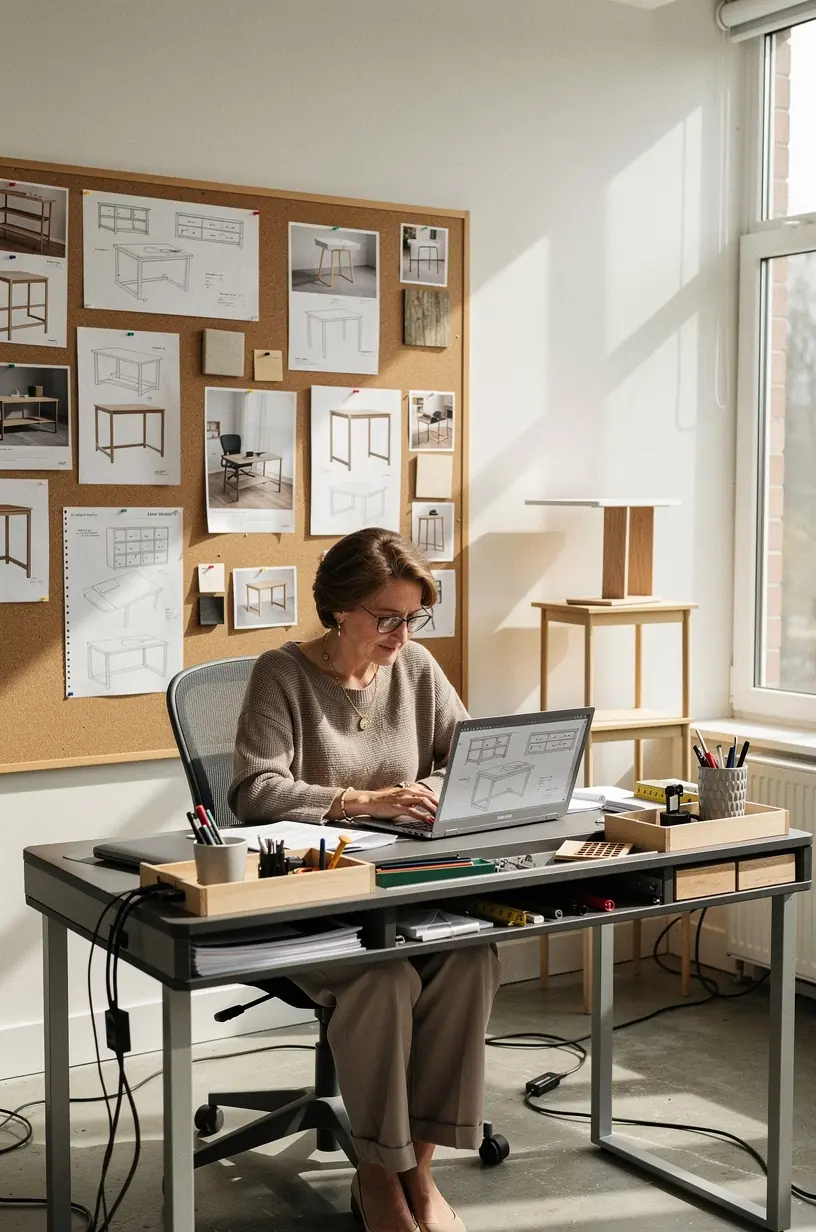
The Role of Ergonomics in Multifunctional Furniture
As multifunctional furniture becomes increasingly popular in modern living spaces, understanding the principles of ergonomics is essential for creating comfortable and efficient environments. This article explores how ergonomics plays a crucial role in the design and functionality of multifunctional furniture.
Understanding Ergonomics
Ergonomics is the scientific study of people at work, focusing on how furniture design can enhance comfort and productivity. According to experts, ergonomic furniture is designed to support the natural posture of the body, thereby reducing strain and discomfort during use. This principle is especially important for multifunctional furniture, which often requires users to switch between different activities.

"Proper ergonomics can significantly impact user satisfaction and productivity, making it a vital consideration in furniture design." - Ergonomics Society
The Importance of Multifunctional Furniture
In today's urban environments, space is often limited. Multifunctional furniture is designed to maximize utility without compromising comfort. Research indicates that effective use of space can improve overall living conditions, with many users reporting enhanced quality of life. By integrating ergonomic principles, designers can create solutions that not only save space but also promote well-being.
Key Ergonomic Principles in Multifunctional Furniture Design
- Adjustability: Many ergonomic furniture pieces offer adjustable features, such as height or angle, allowing users to personalize their setup. This flexibility can help accommodate various body types and preferences, which is crucial in shared spaces.
- Support: Proper lumbar support is essential for preventing back pain during prolonged use. Ergonomically designed multifunctional furniture, such as chairs that convert into beds, should provide adequate support to ensure comfort regardless of the activity.
- Ease of Use: Furniture should be intuitive and easy to manipulate. Research suggests that designs that require minimal effort to transition between functions are typically favored by users, reducing frustration and enhancing the overall experience.
Challenges and Considerations
While incorporating ergonomic principles into multifunctional furniture design is beneficial, it is important to acknowledge some challenges. Many users may find that adapting to new furniture requires a learning curve. Additionally, the effectiveness of ergonomics can vary based on individual preferences and needs, making it essential for manufacturers to conduct user testing and gather feedback.
Moreover, the design process can be time-consuming, typically taking several months to develop and refine ergonomic solutions. It is crucial for designers to collaborate with ergonomics experts and conduct research to ensure that their products meet industry standards and user expectations.
Conclusion
In conclusion, the integration of ergonomics into multifunctional furniture design is essential for enhancing user comfort and functionality. By considering principles such as adjustability, support, and ease of use, designers can create effective solutions that meet the demands of modern living. As the market for multifunctional furniture continues to grow, prioritizing ergonomic design will be key to improving user satisfaction and overall well-being.
Learn More