Creating Versatile Living Spaces with Modular Designs
In today’s fast-paced world, the demand for versatile living spaces has grown significantly. Modular designs in furniture provide effective solutions that promote smart storage and multifunctionality, making them an appealing choice for many homeowners.
Understanding the Basics of Modular Design
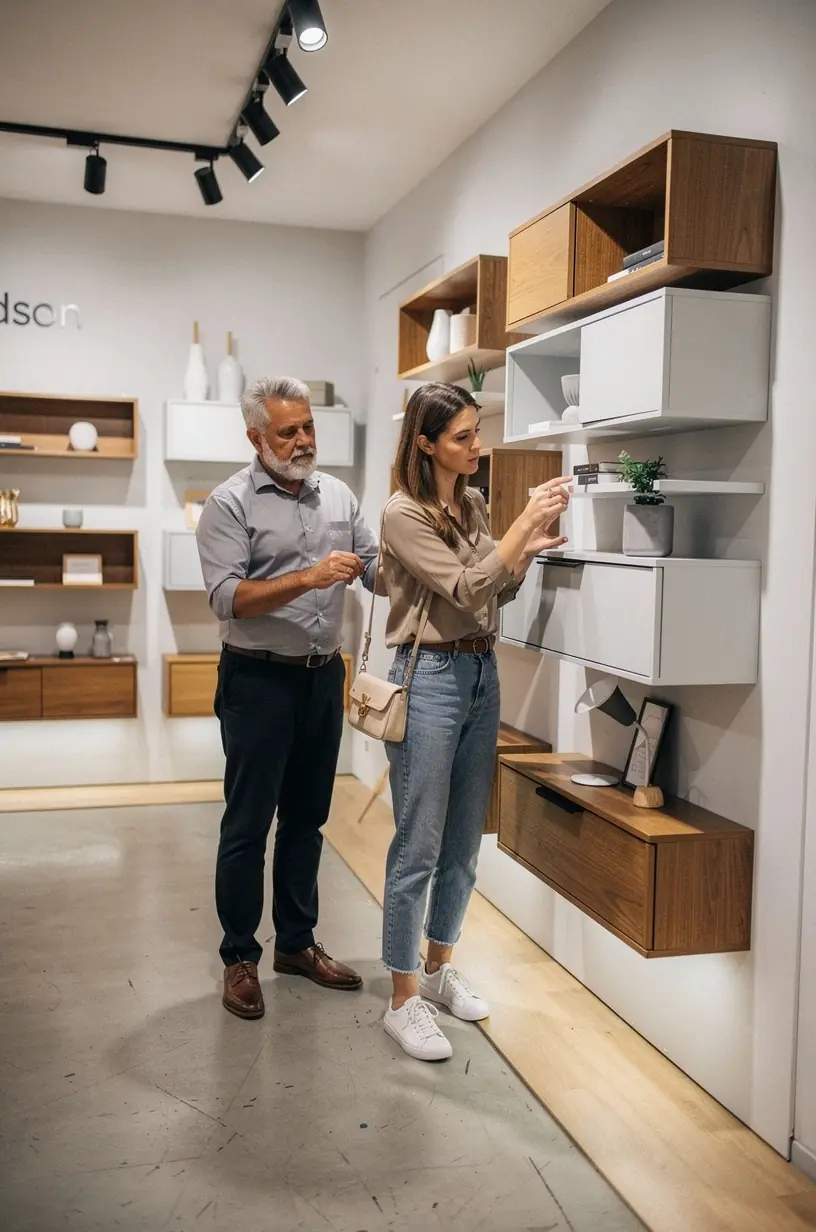
Modular furniture refers to pieces that can be easily rearranged, combined, or expanded according to the user's needs. This approach is often recommended by interior designers because it allows for flexibility in small spaces, which is particularly important in urban living environments. Experts suggest that modular designs can help maximize usable space while minimizing clutter, making them ideal for efficient living.
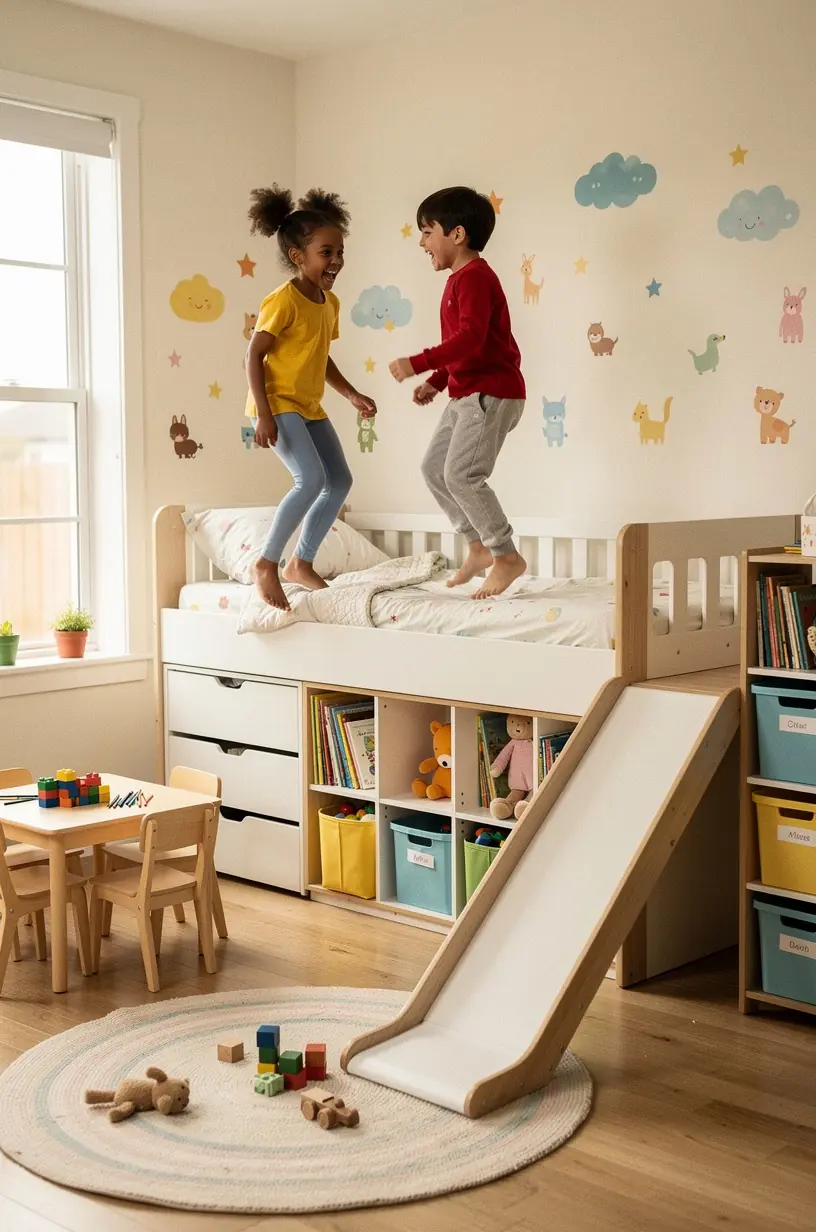
"Modular furniture systems not only improve the aesthetic appeal of a space but also enhance its functionality, providing a reliable solution for modern living challenges."
Key Benefits of Modular Furniture
- Adaptability: Modular designs can be easily reconfigured to suit various needs, whether for a home office, guest room, or living area.
- Space Optimization: Research indicates that utilizing modular furniture can increase the perceived size of a room, especially in compact spaces, by eliminating the need for bulky, stationary furniture.
- Cost-Effectiveness: Investing in modular furniture can be a financially viable option, as it often eliminates the necessity for purchasing multiple different pieces for various functions.
Implementing Modular Solutions in Your Home
When considering modular furniture, it’s important to assess your specific needs and the characteristics of your living space. Here’s how you can effectively implement modular solutions:
- Identify Your Needs: Assess which functions are essential for your space. This may include areas for work, relaxation, or socializing.
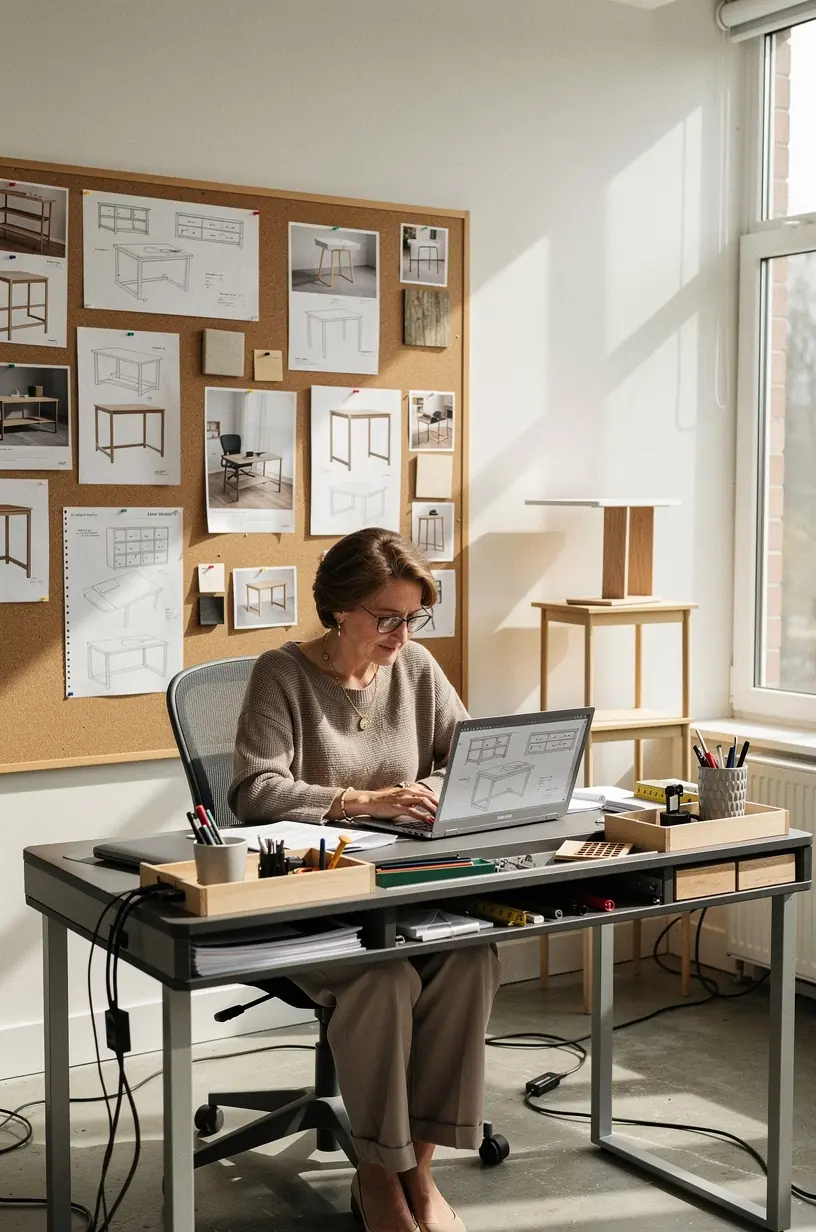
- Plan the Layout: Create a layout that considers traffic flow and accessibility. Industry experts recommend utilizing digital design tools to visualize how different pieces will fit together.
- Choose Quality Materials: Invest in durable materials that can withstand frequent reconfiguration. This is crucial as many modular pieces are designed for longevity.
Acknowledging Limitations and Setting Expectations
While modular designs offer numerous benefits, it’s essential to recognize their limitations. Many users report that transitioning to a modular setup may require an adjustment period, as it often involves a learning curve in understanding how to best utilize the flexibility of these products. Additionally, modular solutions typically require a time commitment for assembly and reconfiguration.
Conclusion
Creating versatile living spaces with modular designs is a pragmatic approach that many modern households can benefit from. By understanding the principles behind modular furniture and carefully planning its implementation, you can effectively enhance both the functionality and aesthetics of your home. Remember, while modular solutions can significantly improve your living space, they require thoughtful consideration and a willingness to adapt to fully realize their potential.
Learn More