Practical Tips for Designing a Functional Home Office
Creating a functional home office is essential for productivity and comfort. This guide presents evidence-based tips and insights to help you design a workspace that meets your needs while optimizing space and efficiency.
Understanding the Basics of a Functional Home Office
When designing a home office, it's crucial to consider various factors that contribute to a productive environment. According to research by Gensler, a well-designed workspace can boost productivity by 20-30% in similar contexts. The key elements to focus on include layout, ergonomics, and storage solutions.
"A thoughtfully designed home office can significantly enhance your work experience and overall well-being."
Key Design Principles to Consider
- Optimize Your Layout: Start by assessing the available space. Research suggests that an open layout can encourage creativity, but defining specific zones for work and relaxation may help in maintaining focus.
- Invest in Ergonomic Furniture: Experts recommend using adjustable desks and ergonomic chairs to prevent strain and improve comfort. This typically requires an upfront investment but can lead to long-term health benefits.
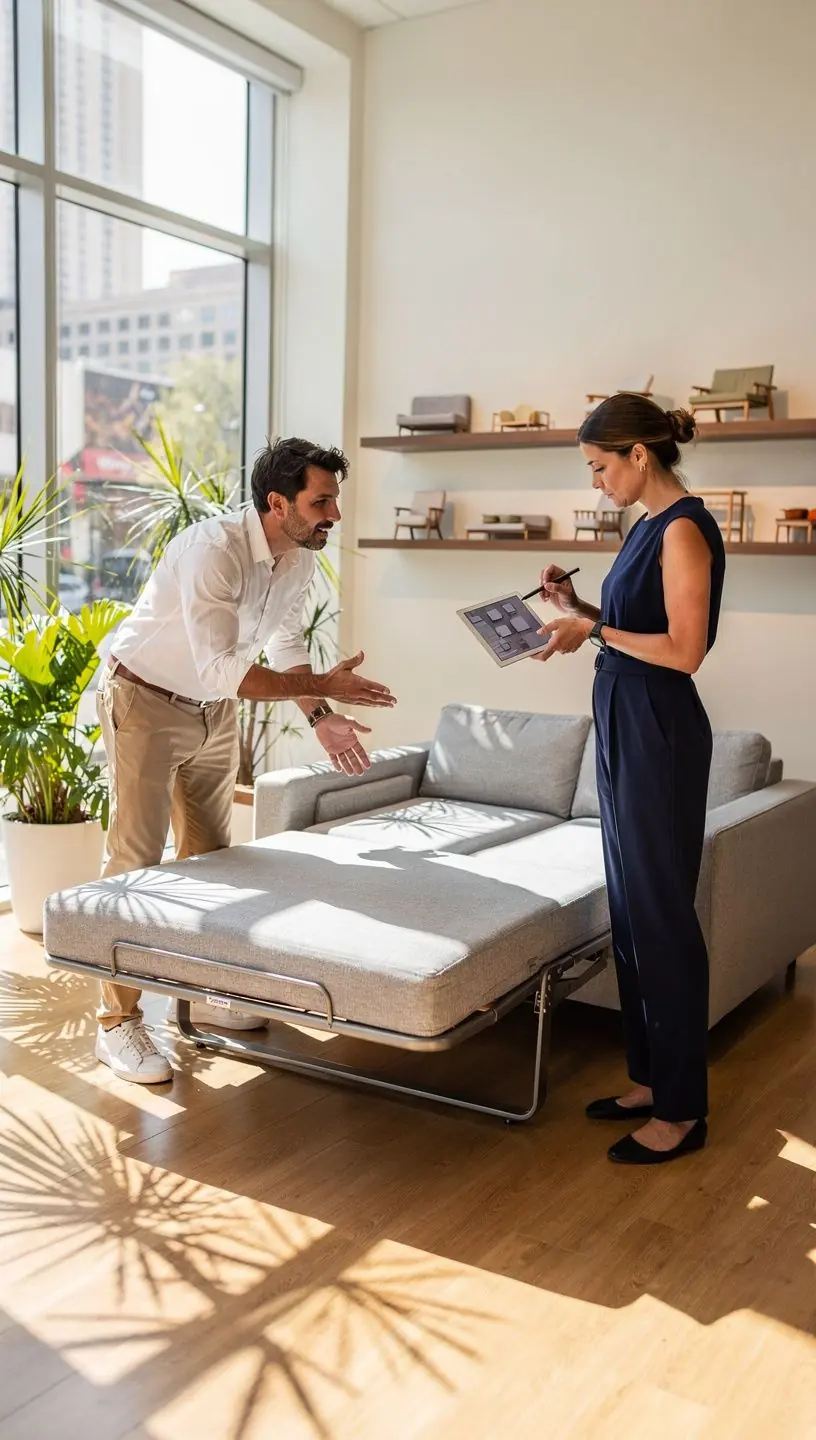
- Incorporate Smart Storage Solutions: Utilize multifunctional furniture that offers ample storage without cluttering the space. Many users report that integrated shelving and hidden storage compartments help maintain an organized environment.
Choosing the Right Technology
In today's digital age, technology plays a fundamental role in home office design. Research indicates that having the right tools can enhance productivity. Here are some tips to consider:
- Invest in Quality Equipment: A reliable computer and high-speed internet connection are essential. Delays due to technology issues can interrupt workflow, so prioritize quality.
- Ergonomic Accessories: Consider investing in peripherals like a supportive keyboard and mouse. These can improve posture and reduce the risk of repetitive strain injuries.
- Effective Lighting: Natural light is ideal, but if that's not possible, use adjustable LED lighting that mimics daylight. Studies show that adequate lighting can reduce eye strain and fatigue.
Creating a Personalized Environment
Personalizing your workspace can enhance motivation and creativity. Industry experts suggest incorporating elements that inspire you, such as:
- Art and Decor: Display personal artwork or motivational quotes to make the space feel inviting.
- Plants: Adding greenery can improve air quality and contribute to a calming atmosphere.
- Sound Management: Consider soundproofing solutions or white noise machines if noise is a distraction in your environment.
Setting Realistic Expectations
Designing a functional home office typically requires time and dedication. Many users find that taking a phased approach—designing one area at a time—helps in managing the effort and resources required. Research indicates that changes in workspace design may take time to yield noticeable improvements in productivity, often within 3-6 months.
Conclusion
Creating a functional home office is a process that combines thoughtful design, technology, and personal touches. By following these practical tips and acknowledging the effort required, you can develop a productive workspace tailored to your needs. Remember, the goal is to create an environment that not only looks good but also works effectively for you.