Understanding the Principles of Space Optimization
In today's increasingly compact living and working environments, space optimization has become a necessity. This article delves into the principles of space optimization, providing practical insights into how effective design can enhance functionality in multifunctional furniture.
Understanding the Basics
Space optimization is the practice of arranging and utilizing space in a way that maximizes functionality while minimizing clutter. According to industry experts, effective space optimization typically enhances both productivity and comfort, which can lead to better overall well-being. This is crucial in urban environments where space is often limited.

"Effective space management can increase productivity by up to 20-30%, as shown in various studies on workplace design."
Key Principles of Space Optimization
- Functionality Over Aesthetics: While attractive design is important, prioritizing functionality can lead to more efficient use of space. This principle works because spaces that are tailored to specific activities often see a dramatic improvement in user satisfaction.
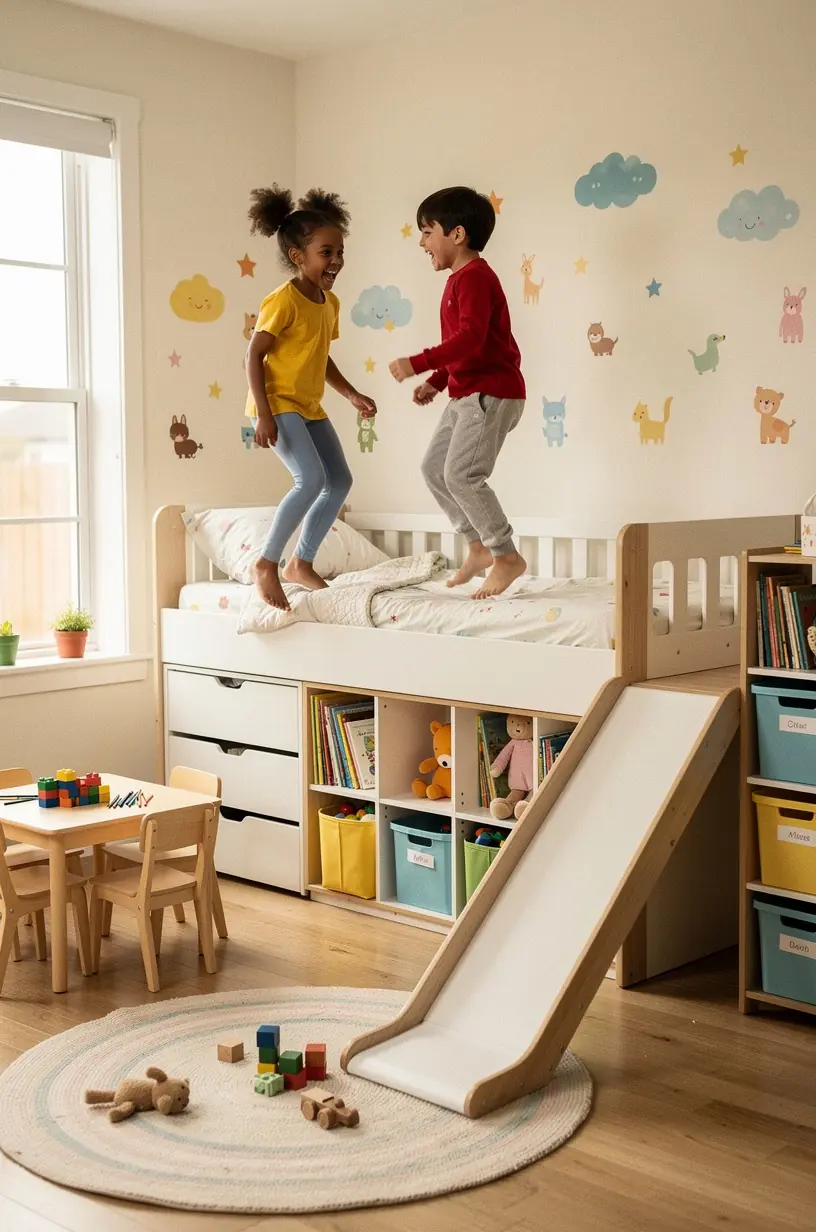
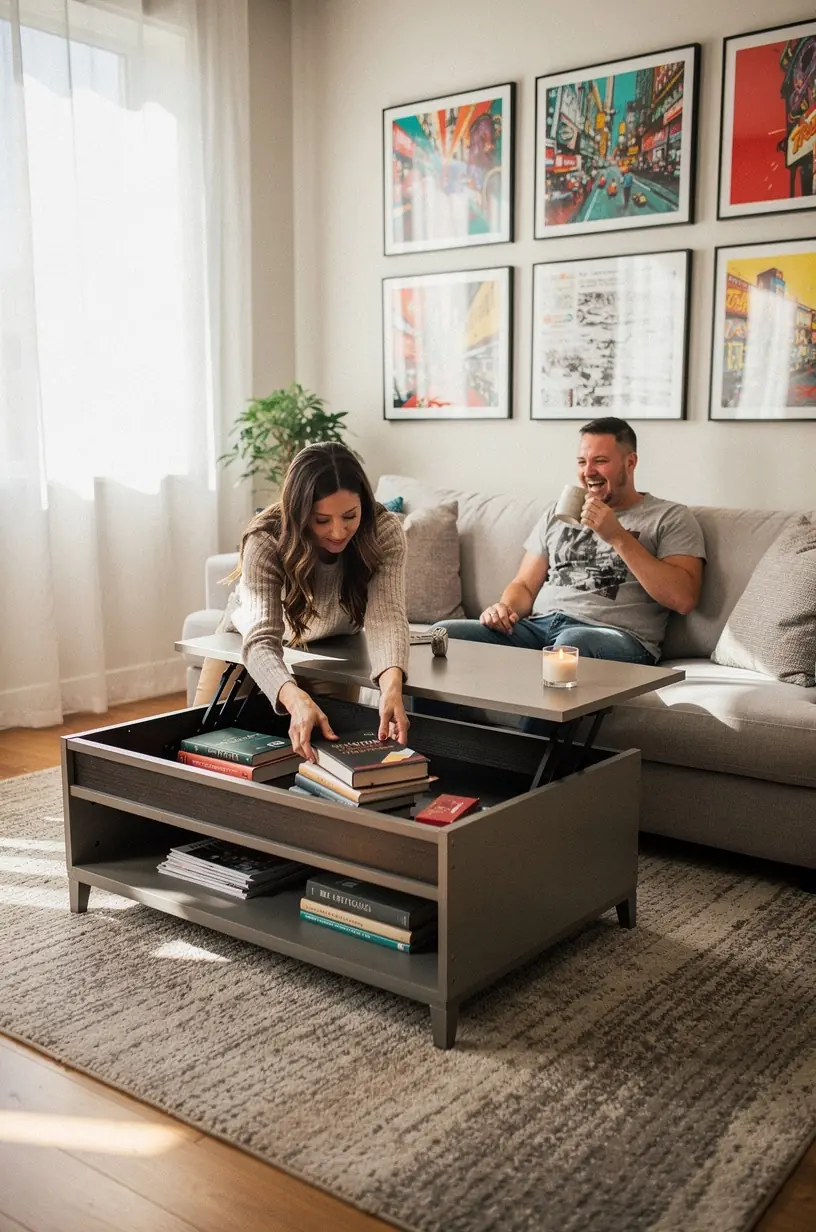
- Multifunctional Furniture: Studies indicate that incorporating multifunctional furniture, such as foldable desks or expandable tables, can effectively utilize space without sacrificing style. This approach is particularly beneficial in smaller living areas.
- Vertical Space Utilization: Utilizing vertical space is often underappreciated. By adding shelves or hanging storage, users can free up floor space, creating a more open and inviting environment. This is a common practice among interior designers and storage experts.
Practical Application
Implementing these principles involves a few strategic steps:
- Assess Your Needs: Evaluate what activities will take place in the space. Understanding your specific requirements is essential for effective design.
- Choose the Right Furniture: Select pieces that serve multiple purposes. For example, a sofa bed can accommodate guests while saving space.
- Plan the Layout: Experiment with different layouts to find the one that maximizes space utility. This may involve moving furniture around to see what configuration works best for your lifestyle.
Acknowledge Limitations
It's important to note that space optimization is not a one-size-fits-all solution. The effectiveness of these strategies can depend on various factors, including the size and shape of the space, as well as the user's lifestyle. Moreover, achieving optimal results typically requires a commitment to maintaining organization and may take time to adjust to new layouts.
Conclusion
In conclusion, understanding the principles of space optimization can lead to a more functional and enjoyable environment. By focusing on multifunctional solutions, effective furniture choices, and strategic planning, you can create a space that not only looks good but works well too. Remember, implementing these strategies is a process that requires patience and an open mind.
Learn More